Straight from the Emergency Department: Fourth of July & Summer Safety Tips
 What’s your favorite Fourth of July tradition? Maybe fireworks at dusk. Grills going all afternoon. Kids running through sprinklers or jumping into the lake.
At Memorial Health, our hospital Emergency Departments and Memorial Care urgent care locations see another side of the holiday, one that includes preventable injuries that can turn a celebration into an unexpected trip to the medical professionals.
Brandon Koser, DO, chief medical officer at Decatur Memorial Hospital and Emergency Department practicing physician, shares a few practical ways to keep the focus on fun and not first aid this July 4.
Common Misconceptions about Fireworks
Fireworks injuries are one of the most common reasons people end up in the ED around the Fourth of July holiday. Injuries to the hands, fingers and face can happen in seconds, and one of the biggest culprits is sparklers.
“Sparklers feel harmless, especially for young kids, but they burn at temperatures hot enough to melt metal,” Dr. Koser said. That heat can reach around 2,000 degrees, which is hot enough to cause serious burns almost instantly.
 Remember to:
- Keep fireworks outdoors and away from people and structures
- Never let young children handle fireworks or sparklers
- Have water nearby in case something goes wrong
- Avoid relighting fireworks that don’t go off
Backyard Grilling and Fire Pit Risks
There’s always a crowd around the grill master, but flare-ups or sudden bursts of flame can be dangerous and a source of burns that land people in the ED. What helps:
- Avoid adding accelerants to an already lit fire
- Keep grills in a stable, open area away from foot traffic
- Never leave a hot grill unattended
- Make sure children know what surfaces are still hot, even after the fire is put out
Water safety: Who is watching?
Pools, lakes and boats offer a break from the heat, but they also come with serious risks. The most important safety strategy is to always make sure someone is clearly responsible for watching the water.
“What we see most often are situations where everyone assumes someone else is keeping an eye on things,” Dr. Koser said. “It only takes a few seconds for a young child or even an adult who is unable to swim to go under – with very little noise or movement.”
Always remember to:
- Designate a specific, attentive adult to supervise swimmers.
- Keep phones and other distractions out of that role.
- Use life jackets on open water, especially for children.
- Avoid mixing alcohol with swimming or boating since alcohol slows reaction time and judgment.
 Heat and Lack of Hydration
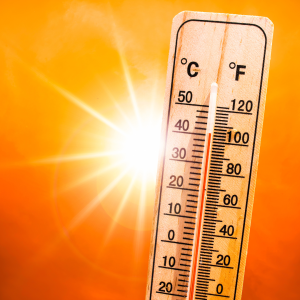
Long days outside, summer temperatures and holiday drinks can create the perfect combination for dehydration and heat-related illness. Symptoms can start subtly and escalate fast. Water should be a regular part of the day. Alcohol can make dehydration worse by increasing fluid loss. Watch for: dizziness, heavy sweating, nausea, fatigue or headache.
When Should You Go to the ED?
Even with precautions, accidents can still happen. It is always okay to err on the side of caution. Seek care if you notice:
- Burns that blister or involve the face, hands or joints
- Any eye injury from fireworks
- Signs of drowning or trouble breathing after water exposure
- Confusion, fainting or severe symptoms of heat illness
Our Emergency teams are prepared for these situations, especially during holiday weekends when injury trends are predictable.
“Our ED teams are always ready no matter what the situation,” said Dr. Koser. “But we would rather see you enjoying the holiday than needing our care. A little planning goes a long way toward keeping celebrations safe, simple and full of fun times that don’t involve an ambulance or trip to the ED or urgent care.”