Fall Prevention for Seniors: Small Changes Can Improve Safety
 Nobody wants to fall down, but for seniors, it can be especially dangerous. Fortunately, there are common sense precautions you can take to decrease risk.
“Proactive steps like removing tripping hazards or improving lighting can help reduce fall risk,” said Feras Shawish, MD, with Memorial Care in Forsyth. “You also want to stay active and talk with your healthcare provider about balance concerns or any troublesome medication side effects.”
Falls are one of the leading causes of injury among adults 65 and older, according to the Centers for Disease Control and Prevention (CDC). Even with precautions, your physical health can offer warning signs that you might be vulnerable to falling.
“Contact your physician if you notice stumbling or tripping, dizziness or lightheadedness, difficulty getting up from a chair, changes in vision or feeling unsteady while walking,” added Dr. Shawish. “Fall prevention is about more than avoiding injury. It is about maintaining confidence in your physical abilities to continue your normal activities and lifestyle.”
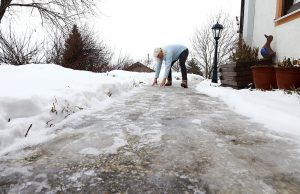 As we age, muscle strength, balance and bone density often decrease. A fall that might cause only a bruise in a younger person can lead to a broken hip, head injury or hospitalization in an older adult. Many seniors become fearful after a fall and reduce their activity levels, which can lead to further weakness and an even greater risk of falling again.
Safety Checklist
- Living areas: Remove clutter, cords and loose rugs. Keep walkways clear and well lit. Maintain easy pathways around furniture.
- Kitchen: Store frequently used items within easy reach. Clean spills immediately. Use a sturdy step stool with handrails if needed.
- Bathroom: Install grab bars near the toilet and shower. Use nonslip mats. Consider a shower chair for added stability.
- Bedroom: Keep a lamp within reach of the bed. Use nightlights between the bedroom and bathroom. Remove items that could cause tripping.
- Outdoors: Repair uneven walkways. Keep steps clear of leaves and debris. Make sure railings are secure and lighting is adequate. Make plans for snow and ice removal before winter’s arrival.
Primary care providers, physical and occupational therapists, rehabilitation specialists and home care professionals can all help identify fall risks and recommend solutions tailored to individual needs.
Memorial Health offers services that can support healthy aging, including home care, rehabilitation services and Senior Life Solutions. Talk with your healthcare provider if you have concerns about balance, mobility or fall risk.
Need a healthcare provider? Visit memorial.health to see who is accepting new patients.