New Dietary Guidelines Return to Pyramid Shape with Modern Twist
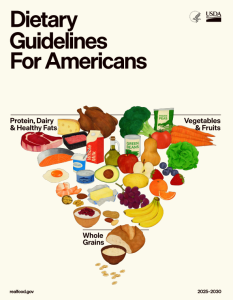 The U.S. Department of Agriculture has released its 2025-2030 Dietary Guidelines for Americans, marking a return to the familiar pyramid format.
The new visual guide is available at realfood.gov and simplifies the traditional food groups into three main categories: Protein, Dairy and Healthy Fats at the top alongside Vegetables and Fruits with Whole Grains at the bottom.
What Stays the Same
The core message remains consistent with guidelines dating back to 1943: Americans should focus on nutrient-dense food choices and limit added sugars, particularly from packaged foods and sugar-sweetened beverages.
What’s Changed
The 2025 guidelines place new emphasis on building meals around protein and fat sources, specifically highlighting animal proteins and whole-fat dairy products. Refined carbohydrates like white bread and many breakfast cereals are now specifically targeted for reduction. The guidelines also updated alcohol recommendations, advising everyone to consume less rather than suggesting any “safe” amount.
“Foods high in healthy fats contribute to overall health,” said Erin Zepp, dietitian and culinary medicine coordinator at Memorial Wellness Center. “A missed opportunity is to not include more plant-based proteins.”
The new pyramid also acknowledges the reality of modern eating by depicting canned, fresh and frozen food options.
Potential Challenges
However, Zepp points to potential challenges in the new approach.
“With the emphasis on animal proteins and whole fat dairy, there is a possibility that Americans may end up with an eating pattern that is too high in saturated fat,” she said. “Choosing plant-based sources of fats such as olives, avocado, nuts and seeds remains an important strategy for reducing saturated fat intake.”
The guidelines also emphasize nutrients that most Americans already consume adequately.
“These guidelines have emphasized inclusion of foods that are high in proteins and fats even though deficiency of these nutrients remain rare throughout the American population,” Zepp said. “However, between 70-90% of Americans do not meet the daily recommended amount of fiber each day. Excluding plant-based protein choices like beans within the top tier group of proteins is a missed opportunity.”
The Bottom Line
As with any nutritional guidance, individual needs vary, and consulting with healthcare providers and registered dietitians can help personalize these recommendations to support your health goals.
The Memorial Wellness Center team offers evidence-based nutritional counseling and monitoring by registered dietitians and certified diabetes educators. Want to learn more? Fill out the information form and someone will reach out.
For more information about the 2025-2030 Dietary Guidelines for Americans, visit realfood.gov.