Tips to Avoid “Falling Backward” with the Time Change
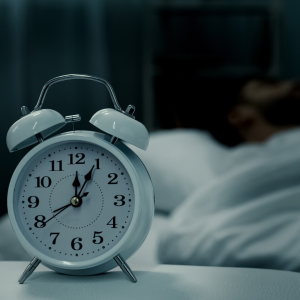 An extra hour of sleep! But less sunlight. It’s a tough compromise.
Daylight saving time ends Sunday, Nov. 1, when clocks “fall back” one hour. While many of us welcome the extra hour of sleep, the earlier sunset can make the days suddenly feel much shorter.
That shift can affect more than your schedule. Changes in light exposure can disrupt the body’s internal clock and affect sleep and alertness, while the darker fall and winter months can also be challenging for mood and motivation.
Now’s the time to start preparing to ease the transition, both physically and emotionally.
Make daylight a priority.
When daylight becomes scarce, make the most of the hours you have. Consider using a morning break or lunch hour to take a walk outside. If you’re an early riser, getting outdoors after sunrise can help your body adjust to the new schedule.
“Heading home in darkness after leaving work or after-school activities at a normal time can be jarring,” said Leaha Jones, LCPC, a director with Memorial Behavioral Health. “When the days are shorter and the weather turns cold, we also tend spend more time indoors, which can further limit our exposure to natural light.”
Go outdoors as often as possible. Use weekends and days off to walk, hike, do outdoor chores or enjoy seasonal activities. Even on cloudy days, spending some time outdoors can be a welcome break from being inside.
Plan for the emotional adjustment to earlier darkness
The sun setting before dinner can take some getting used to. Instead of abandoning activities you enjoy because it’s dark outside, look for ways to adjust them.
Move an after-work walk to lunchtime. Schedule exercise before work or choose a well-lit indoor option. Make plans with friends or family rather than automatically heading home and staying in for the evening.
Most importantly, pay attention to how you’re feeling as the seasons change. Seasonal affective disorder is a form of depression with a recurring seasonal pattern, most commonly beginning in the fall or winter. Symptoms can include low mood, decreased energy and changes in sleep or appetite.
“The fall time change can make it tempting to pull back from the activities and people that help us feel our best,” Jones said. “But leaning in and being intentional about daylight, movement and staying connected to others can make the seasonal transition feel more manageable.”
Keep moving
Shorter days don’t have to mean less physical activity. Plan ahead for the times when darkness or cold weather may interfere with your normal routine.
Take a walk over lunch, exercise earlier in the day or move your workout indoors. Building movement into your schedule before the clocks change can make it easier to maintain the habit afterward.
Ease into the new sleep schedule
Don’t wait until Halloween night to start the sleep transition. In the days leading up to the time change, gradually move bedtime and wake time by about 15 minutes. These are easy adjustments that can help your body adapt more easily. Once the clocks change, try to keep your sleep and wake times consistent.
Also, avoid long daytime naps on weekend, which can be a further disruption as your body adjusts. Finally, give yourself some grace. Your clock may change overnight, but your body and mind may need a little longer to settle into a new routine.