What You Need to Know About Cyclosporiasis This Summer
 Microscopic parasites have taken over the headlines this summer as cases of cyclosporiasis continue to rise in Illinois.
There have been at least 246 cases recorded in Illinois of the intestinal illness, which can result in diarrhea, bloating, nausea and low-grade fever. People typically become infected after eating contaminated fresh fruits, vegetables or herbs. One challenge with cyclosporiasis is that symptoms don’t appear right away.
“Symptoms often begin several days to a week after a person consumes contaminated food,” said Anna Richie, MD, and clinical director of urgent care for Memorial Care. “Unlike a typical stomach virus that resolves within a few days, cyclosporiasis can last for weeks, or even longer if left untreated.”
Reduce Risk
While no prevention method is perfect, you can lower your risk of exposure:
- Choose whole produce when possible instead of pre-chopped or bagged varieties.
- Remove outer leaves from leafy vegetables before eating.
- Thoroughly wash fresh produce before preparation.
- Peel fruits and vegetables when appropriate.
- Cook produce when possible, as heat kills the parasite.
Unfortunately, simple rinsing may not eliminate all risk, which is why selecting, preparing and cooking produce safely is important.
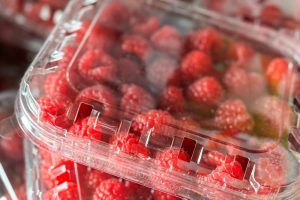 Fresh fruits and vegetables are always an important part of a healthy diet. You can continue to enjoy the nutritional benefits of produce while reducing your risk of illness this summer. Just practice food-safety habits and stay aware of potential symptoms.
When to See a Doctor
If you’ve experienced persistent diarrhea, bloating or other gastrointestinal symptoms that last more than a few days, contact your healthcare provider. Dr. Richie notes that treatment is available, and early diagnosis can help prevent prolonged illness.
Need to find a healthcare provider? Visit memorial.health for a list of physicians and healthcare providers accepting new patients.