Harvesting More Than Crops: Managing Stress on the Farm
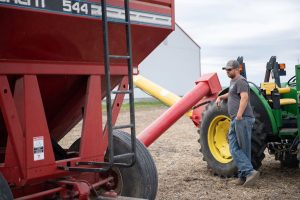 Harvest season brings long days, unpredictable weather and financial uncertainty. While many farm families look forward to seeing the results of months of hard work, the demands of the season can also take a toll on mental health.
Farmers face unique challenges, balancing business decisions, family responsibilities and physical labor while managing factors beyond their control. Recognizing the signs of stress and knowing when to seek support can help protect both mental and physical well-being.
“Harvest season often means long hours, tight deadlines and concerns about weather and yields,” said Nicole Geer, a director with Memorial Behavioral Health. “It’s common for farmers and their families to feel overwhelmed during this time, which is why it’s important to pay attention to both physical and emotional signs of stress.”
Stress often shows up in the body before people recognize it emotionally. Common symptoms include:
- Difficulty falling asleep or staying asleep
- Loss of appetite
- Upset stomach or digestive issues
- Headaches
- Teeth grinding or jaw clenching
- Persistent fatigue
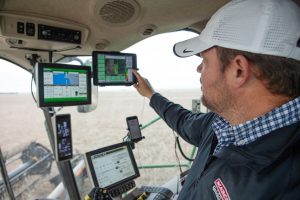 “Stress doesn’t just affect mental health,” said Geer. “It can also impact concentration, decision-making and reaction time, which can increase safety risks when operating equipment or working long hours.”
Warning signs may include: feeling isolated or disconnected from others; increased anger or irritability; restlessness; difficulty making decisions; forgetfulness and loss of interest in activities you normally enjoy. For many rural residents, conversations about mental health have historically been difficult. Fortunately, awareness of the unique challenges faced by farm families has grown in recent years.
Many farmers are becoming more comfortable discussing mental health concerns and seeking support when they need it. Talking with a trusted friend, family member, faith leader or mental health professional can be an important first step.
“Many people in rural communities take pride in handling challenges on their own,” said Geer. “But reaching out for support is a sign of strength. Talking with a trusted friend, family member or mental health professional can make a meaningful difference.”
 Additional Resources
Help is available for farmers and their loved ones across Illinois.
- Call or text 988 to reach the Suicide & Crisis Lifeline 24 hours a day, seven days a week.
- Illinois FARM SOS provides a helpline number 1-833-FARM-SOS or 1-833-327-6767. FARM SOS also provides telehealth counseling services, offering up to six no-cost sessions for individuals, couples or groups. More information is available at ILFARMSOS.COM. The service is staffed by counselors from SIU Medicine in partnership with the Illinois Department of Agriculture and provides support for farm families throughout Illinois.
- The Illinois Farm Bureau offers mental health resources and educational tools for farmers and their families.
- Memorial Behavioral Health provides outpatient services for children, adolescents and adults experiencing emotional, social or behavioral health challenges. Call 217–525–1064 Monday through Friday from 8:30 a.m. to 4:30 p.m.